

The most memorable photographs rarely depend on perfect poses. They work because the viewer can sense a real connection, a burst of laughter, or a quiet moment that was not created only for the camera.
This matters in weddings, family sessions, and personal brand shoots. People want flattering images, but they also want to recognize themselves in the final gallery. The photographer’s role is not to control every movement, but to create conditions in which honest reactions can happen.
Observe Before You Direct
The first minutes of a session reveal how people behave when they are comfortable. Some couples communicate through humor, while others are quieter. Families form natural groups, and business owners may become more expressive when speaking about their work.
Instead of beginning with a list of poses, watch how subjects stand, move, and look at one another. Notice which gestures repeat and how they respond to the light.
This gives direction a personal foundation. A photographer can refine what already exists rather than forcing everyone into the same formula.
Give people something simple to do:
- walk slowly while talking;
- adjust a jacket or accessory;
- hold a meaningful object;
- move toward a window;
- share a short story.
Actions reduce the pressure to perform and often create more believable expressions.
Use Prompts That Create Reactions
A prompt is different from a fixed pose. A pose describes where the body should be, while a prompt gives the subject a reason to respond.
Asking a couple to stand close and smile may produce a usable image. Asking one person to describe their first impression of the other may create a more personal reaction. During a family session, a small game can work better than repeatedly asking children to look at the camera.
Prompts should be short, easy to understand, and appropriate for the people being photographed.
When Gentle Posing Is Necessary
Natural photography does not mean avoiding direction. Small adjustments can improve the frame without changing its emotional tone.
A photographer may move a hand away from the face, turn shoulders slightly, correct posture, or shift the group toward better light. Make these changes quickly, then allow the moment to continue.
Overdirecting becomes visible when subjects wait for the next instruction. Their expressions tighten, movement stops, and the session loses rhythm.
Let Light Support the Mood
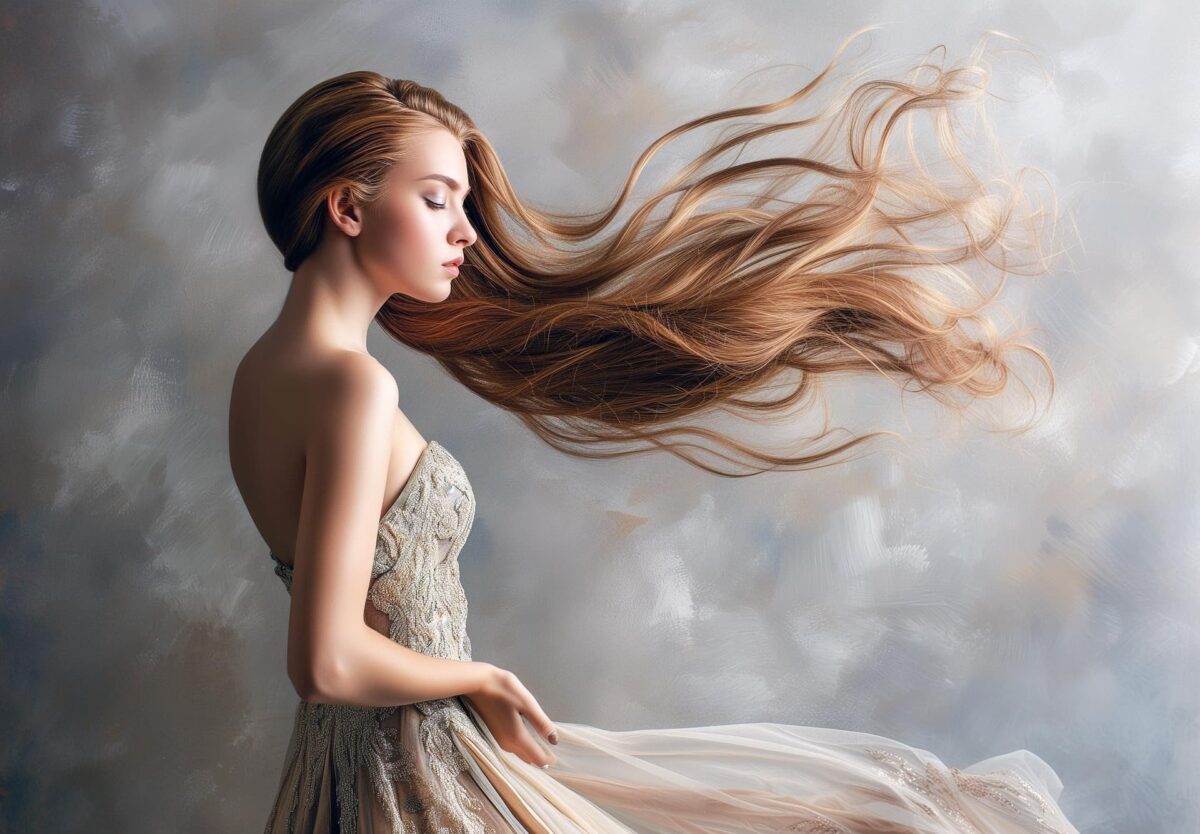
Lighting influences how a moment feels. Soft window light can create intimacy, while strong side light may add drama. Open shade works well for relaxed portraits because people can move without harsh contrast.
The simplest setup is often the most flexible. If equipment must be adjusted after every frame, subjects become aware of the process and natural reactions disappear.
Before the session, identify two or three reliable lighting areas. This reduces interruptions and leaves more attention for expressions and timing.
Photograph the Moments Between Moments
People often relax immediately after they believe a photograph has been taken. They laugh, change posture, look at someone nearby, or take a breath. These transitions can produce the strongest images.
Keep watching after the planned frame. Do not lower the camera too quickly or check every image on the screen. Staying present helps the photographer notice interactions that cannot be recreated later.
A complete story needs more than faces. Photograph hands, clothing details, personal objects, and the surrounding space. These quieter frames give context to the emotional images.
Build Trust Before Chasing Authenticity
Real emotion cannot be demanded. People are more open when they understand the process and feel that the photographer is paying attention to them rather than only collecting images.
Offer clear guidance and avoid criticizing how someone looks on camera. Confidence grows when subjects know they are not expected to perform perfectly.
Authentic photography is not completely unplanned. It comes from preparation, observation, and timing. When direction remains light and purposeful, polished images can still preserve the personality that makes the moment worth remembering.